Source Desktop Manual Crown Cap Sealer for Beverages, Dairy, and Cosmetics
Find and compare 30 desktop manual crown cap sealer options for sealing bottles in beverage, dairy, and cosmetic production. These machines feature SUS 304 construction, manual operation, and customizable packaging solutions to fit your specific line requirements; compare the available evidence and request quotations based on your requirements.
Key considerations
Products List
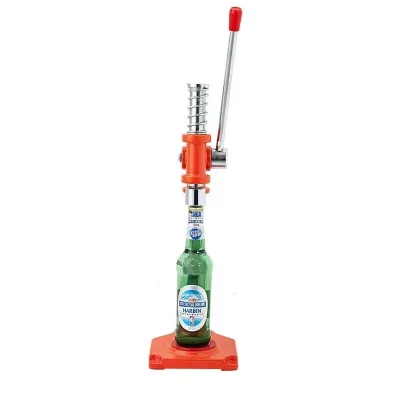
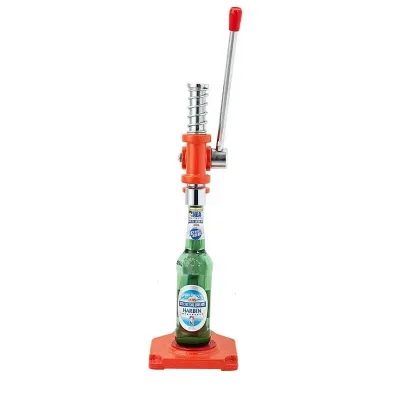


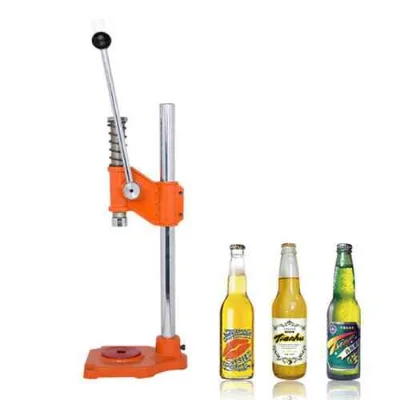
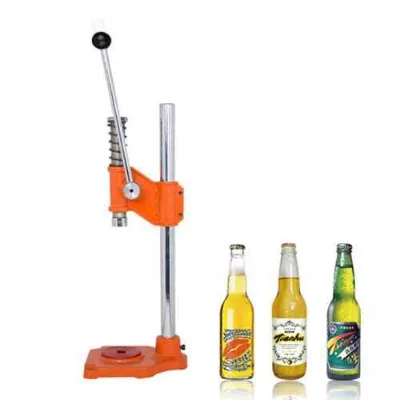


Comprehensive Sourcing Guide
Desktop Manual Crown Cap Sealer Sourcing Guide
This guide addresses the specific procurement needs for desktop manual crown cap sealers, focusing on equipment designed for small-batch production or laboratory environments where automation is not yet required. Buyers must distinguish between manual units and automated lines, as the observed data indicates a mix of manual and automatic grades within the broader category. The primary decision point involves selecting a machine that matches the specific bottle and cap dimensions while adhering to the manual operation requirement for the intended workflow.
Procurement teams should prioritize units that explicitly state a manual driven type to ensure the equipment aligns with low-volume operational strategies. The observed listings reveal a wide variance in specifications, including different model numbers and dimensions, which necessitates a careful review of the product attributes before ordering. Understanding the distinction between the manual sealer and the high-speed automatic lines is critical to avoiding the purchase of oversized or over-engineered machinery that exceeds the actual production capacity needs.
Product Scope and Observed Listing Signals
The product scope for this category encompasses machines designed for sealing crown caps on various container types, including glass, plastic, and metal bottles. Observed listings indicate that these units are suitable for applications ranging from food and beverages to cosmetics and cleaning detergents. Buyers should verify that the specific model supports the intended product application, such as seasoning, dairy, or hair care products, as the machinery is often marketed for multiple industries simultaneously.
Listing signals reveal significant variation in physical dimensions and packaging materials, with some units measuring 170200500mm while others differ substantially. The observed data shows that packaging materials can include glass bottles or flexible containers, and the machine itself may be constructed from SUS 304 stainless steel. Procurement teams must carefully cross-reference the listed single package size and gross weight with their logistics requirements to ensure the equipment can be safely transported and installed in the designated facility.
Technical Specifications to Verify
Buyers must rigorously verify the maximum bottle diameter and cap diameter compatibility, as observed listings show ranges from 15mm to 90mm and specific diameters like 28mm or 42mm. The machine must be compatible with caps that do not have a safety lock ring, a critical constraint that limits the types of closures that can be processed. Confirming the cap height range, which can vary from 15mm to 50mm, is equally essential to prevent mechanical jams or improper sealing during the manual operation cycle.
Power requirements and voltage specifications are another vital area for verification, with observed data indicating both 0-volt manual operation and 220V 50Hz electrical inputs for different models. The air pressure requirement of 0.6MPa suggests that some units may rely on pneumatic assistance even if the primary drive is manual. Procurement teams should also check the machine material, ensuring it is SS304 or SUS 304 for food-grade safety, and confirm the capacity speed, which can range from 2000 to 6000 bottles per hour depending on the specific configuration.
Compliance and Safety Documentation
Safety documentation is paramount when sourcing industrial machinery, and buyers should request certificates such as CE, ISO, and SGS to verify compliance with international safety standards. Although some listings may not explicitly state certification status, the presence of these marks indicates that the machine has undergone necessary testing for electrical and mechanical safety. Procurement teams must ensure that the supplier provides valid documentation for the specific model being purchased, as compliance requirements can vary significantly by region and application.
In addition to certifications, buyers should verify the availability of machinery test reports, noting that some observed listings indicate these reports are not available. This absence requires the buyer to conduct their own due diligence or request a video outgoing-inspection to confirm the machine's operational integrity before finalizing the purchase. The warranty period, typically observed as one year, should be clearly defined in the contract, outlining the scope of coverage for spare parts and field installation services to mitigate long-term operational risks.
Cost Drivers and Commercial Terms
Cost drivers for desktop manual crown cap sealers include the machine material, specifically the use of stainless steel, and the complexity of the sealing mechanism. The observed price range is extremely wide, spanning from 0.1 to 50,000 USD, which reflects the diversity of models from simple manual units to more complex semi-automated systems. Buyers must carefully analyze the unit price against the observed capacity speed and power consumption to determine the true value and avoid overpaying for features that are not required for their specific production volume.
Commercial terms such as the minimum order quantity (MOQ) and packaging type are also significant factors in the total cost of ownership. Observed data shows an MOQ range of 1 to 100 units, with packaging often provided in cartons or wooden crates suitable for exporting. Procurement teams should negotiate for customization availability and clear after-sale service terms, including free spare parts and field installation, to ensure that the initial purchase price does not lead to unexpected costs during the machine's operational lifecycle.
Supplier Qualification and Quality Control
Supplier qualification requires a thorough review of the place of origin, with observed data pointing to Henan, China, as a primary manufacturing hub for these machines. Buyers should verify the supplier's ability to provide video outgoing-inspections and detailed machinery test reports to ensure the product meets the specified quality standards before shipment. The presence of a warranty and after-sale service support, such as field installation, is a strong indicator of a supplier's commitment to product reliability and customer satisfaction.
Quality control processes should include a verification of the machine material, ensuring it is SS304 or SUS 304, and a check of the automatic grade to confirm it matches the manual requirement. Buyers must also assess the supplier's capacity to handle customization requests, as the observed listings indicate that customization is available for many models. Establishing a clear communication channel for technical support and spare parts availability is essential to maintain operational continuity and address any potential issues that may arise during the machine's deployment.
Long-Term Procurement Checks
Long-term procurement checks involve monitoring the machine's performance against the observed capacity speed and ensuring it remains consistent over time. Buyers should track the wear and tear on critical components like the pressure vessel and pump, which are listed as core components, to anticipate maintenance needs and prevent unexpected downtime. Regular inspections of the sealing mechanism and the condition of the bottle and cap compatibility are necessary to maintain the high standards of product quality required in food and beverage applications.
Procurement teams should also evaluate the supplier's responsiveness to after-sale service requests, including the provision of free spare parts and field installation support. The observed data suggests that some models have a single gross weight of 9.500 kg, which may impact long-term logistics and maintenance planning. Establishing a proactive maintenance schedule and maintaining a relationship with the supplier for potential upgrades or replacements will ensure the equipment continues to meet production demands efficiently over its intended lifespan.
FAQs
What is the warranty period for this sealer?
The warranty period is one year for this machine. This coverage applies to the core components including the pressure vessel and pump. Buyers should note that the machinery test report is not available, so warranty claims rely on the provided video inspection.
Which bottle diameters does this machine support?
This sealer supports bottle diameters ranging from 15mm to 90mm. Specific models handle 28mm and 42mm caps. It is designed for caps without safety lock rings and works with plastic, metal, and glass bottles to ensure versatile packaging applications.
Can the machine operate without electricity?
Yes, the machine operates manually without electrical power. The voltage is listed as zero, and the driven type is manual. This design allows for operation in locations without power or for simple, low-volume production needs using basic mechanical force.
What is the production capacity of this unit?
The production capacity ranges from 2000 to 6000 bottles per hour. Some configurations achieve a specific speed of 4000 bottles per hour. This output is suitable for small to medium batch processing of beverages, cosmetics, and cleaning products.
What materials are used to construct the machine?
The machine is constructed from SUS 304 stainless steel. This material ensures durability and hygiene for food and beverage applications. The frame is robust enough to handle the mechanical stress of sealing various bottle types while maintaining a clean appearance.
Is customization available for this sealer model?
Customization is available for this sealer model. Buyers can request specific adjustments to meet unique production requirements. The product page confirms that customization options exist, allowing for tailored solutions for different cap heights and diameters within the specified range.
What certifications does the equipment hold?
The equipment holds CE, ISO, and SGS certifications. These standards verify compliance with international safety and quality requirements. Buyers can rely on these documented certifications to ensure the machine meets regulatory standards for export and domestic industrial use.